The short answer
Going months without sex is not dangerous, and it happens to almost every man at some point. But over time many men notice a quieter libido, erections that take longer to get going, and nerves when intimacy returns — and a long-term Finnish study linked infrequent sex in older men with a higher chance of erection problems later. The fix is not pressure; it is keeping your body ready: circulation, sleep, stress and a simple daily routine such as HorseJello, made to support libido, stamina and performance*.
Dry spells happen for all kinds of reasons: a breakup, a new baby, a busy year, a partner's health, stress, or simply drifting apart for a while. Most men do not think much about it — until they start wondering whether the time off is changing something. Is the drive still there? Will everything "work" when the moment comes?
Here is an honest look at what tends to happen when a man goes a long stretch without sex, what is myth, and how to keep your body ready.
First: a break is normal and not harmful
Let us clear this up first. There is no medical rule that says you need sex to be healthy, and abstinence does not damage anything. Sperm that is not released is simply reabsorbed. Your body keeps producing testosterone. Plenty of men go months or years without sex and return to it without trouble.
So this is not about panic. It is about understanding the subtle changes that can build up when sex stops being part of life, so you can keep things in good shape.
What tends to change over time
1. Desire can go quiet
Sexual desire behaves a bit like appetite for anything you have stopped doing. For many men, the longer sex is off the table, the less often it crosses their mind. Some men find the opposite — desire builds up — but a gradual "out of sight, out of mind" effect is very common, especially when stress and tiredness are high.
2. Erections may take more warming up
An erection is a blood-flow event. Regular arousal keeps that system "exercised". Many men who return after a long break notice that it takes more stimulation or more time to get going, and that erections fade a little sooner at first.
3. The "use it or lose it" effect has some research behind it
A five-year study of men aged 55 to 75 in Finland, published in The American Journal of Medicine in 2008 (Koskimäki et al.), found that men who reported intercourse less than once a week at the start had about twice the rate of new erectile dysfunction as men who had sex weekly — even after adjusting for other health problems. It is an observational study, so it shows a link rather than proof, and men who already had erection trouble may have been having less sex. But it fits what many men experience: regular activity seems to help keep things working.
4. Morning erections may become less frequent
Men normally have several erections during sleep, and they are thought to help keep erectile tissue well supplied with oxygen-rich blood. They continue during a dry spell, but stress, poor sleep and low drive can make them less frequent. If you have noticed fewer of them, our guide to no morning wood anymore explains what it can mean.
5. Confidence can slip — and nerves can take over
This is the change men talk about least and feel most. After a long break, the first time back can feel like a test. Worry releases adrenaline, adrenaline tightens blood vessels, and the erection you were worried about fades — which makes you more worried next time. We explain how to break that loop in performance anxiety in men.
6. You lose some of the "side benefits"
For many men, an active sex life comes with closeness, better mood, easier sleep and stress relief. When it stops, those small boosts disappear too, and stress and low mood can quietly make desire even lower.
| Area | What often happens during a long dry spell | What helps keep it ready |
|---|---|---|
| Libido | Quieter, "out of sight, out of mind" | Sleep, less stress, daily support for drive* |
| Erections | Need more warm-up, fade sooner at first | Daily movement for circulation, less alcohol |
| Morning erections | May become less frequent with stress and poor sleep | Consistent sleep, regular exercise |
| Confidence | The first time back feels like a test | Go slowly, take the pressure off |
| Mood and stress | Fewer natural stress-relievers | Exercise, connection, time outdoors |
What does not happen
- It does not "shrink" from disuse. Size is not lost because of a dry spell. Things like belly fat and blood flow matter far more, as we explain in does penis size shrink with age?
- Testosterone does not crash. There is no good evidence that a period without sex by itself causes a meaningful drop. Age, sleep, body fat and stress are the big drivers.
- You do not "forget how". A bit of rust is normal. It wears off quickly with patience and less pressure.
How to keep your body ready during a dry spell
- Move every day. Walking, training, cycling — anything that keeps your circulation strong also supports erections.
- Protect your sleep. It is when your body does its hormonal and "maintenance" work, including nighttime erections.
- Keep alcohol moderate and do not smoke. Both make blood flow and performance harder.
- Manage stress. Stress is the most common reason desire goes quiet.
- Stay connected with your body. Many doctors see solo activity as a normal, healthy way to keep the system active.
- Add simple daily support. A once-a-day routine aimed at libido and stamina keeps you feeling ready without thinking about it. This is exactly where HorseJello fits.*
Getting back in rhythm after a long break
When intimacy returns, treat the first few times as a warm-up, not an exam. Slow down, spend more time on foreplay, talk to your partner and give yourself permission to be a little out of practice. Most men find that things settle quickly once the pressure is off. If erection problems continue for several weeks, come on suddenly or you have other health issues, talk to a doctor — erection changes can be an early signal about blood pressure, blood sugar or heart health.
What men usually try
When a dry spell ends, many men panic and reach for a gas-station "instant" pill or a viral kitchen trick. Gas-station pills are worth skipping entirely, and kitchen recipes are hard to keep up every day. What actually works is boring and steady: healthy habits, a calmer mind and one easy daily routine that keeps your drive and stamina supported long before the moment arrives.
Our recommendation: HorseJello
For the daily-support part of the plan, HorseJello is the option we recommend. It was made for men who want to feel ready, confident and like themselves again — whether a dry spell is ending soon or you just want to stay in shape for when it does.
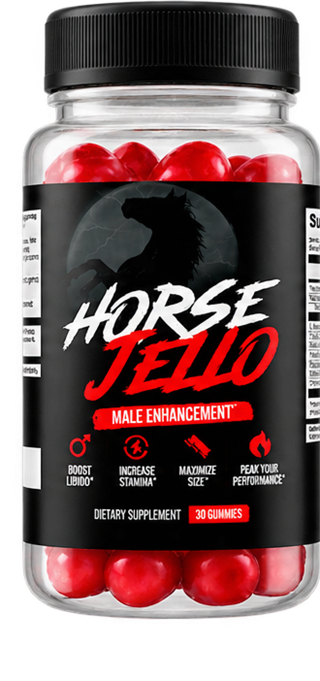
- Built around the right goals. HorseJello is designed to boost libido, increase stamina, maximize size and peak your performance*.
- Easy to keep. One great-tasting gummy a day, 30 per bottle — a full month.
- Made with care. Made in the USA in an FDA-registered, GMP-certified facility, GMO-free.
- Men notice the difference. Verified buyer Derek P. told the maker: "Honestly, I didn't think anything would work at my age (62). But after three weeks, I'm waking up with strong mornings again and lasting twice as long in bed. It's not a fluke, it's consistent." Individual results vary — read more in our full HorseJello review.
- Fair bundle pricing. $44.75 per bottle on Buy 1 Get 1, $27.49 on Buy 2 Get 2, and as low as $19.99 per bottle on Buy 3 Get 3, with free shipping. Refills ship every 30 days and you can stop or cancel anytime.
- Zero risk. A 90-day results-or-money-back guarantee gives you three full months alongside the habits above.
Pair it with daily movement, good sleep and a little patience, and you have the most practical routine we know for keeping your drive and stamina ready — so a long break never has to mean a rough comeback.
When to talk to a doctor: erection problems that last several weeks, appear suddenly, or come with chest pain, shortness of breath, high blood pressure or diabetes deserve a visit to a licensed healthcare provider. Always ask before starting a supplement if you take prescription medication, especially heart or nitrate medication.
Frequently asked questions
What happens to a man's body if he stops having sex?
Nothing dangerous happens, and a break is completely normal. Over months, though, many men notice that desire becomes quieter, erections take a little longer to get going, and confidence dips when sex comes back into the picture. A Finnish follow-up study of men aged 55 to 75 also linked infrequent intercourse with a higher chance of developing erection problems later.
Is "use it or lose it" true for erections?
There is some support for it. In a five-year study of Finnish men aged 55 to 75 published in The American Journal of Medicine in 2008, men who had intercourse less than once a week at the start had about twice the rate of new erectile dysfunction as men who had sex weekly, even after adjusting for other health factors. It is an observational study, so it shows a link rather than proof, but it fits the idea that regular activity helps keep things working.
Does not having sex lower testosterone?
There is no good evidence that a period without sex by itself causes a meaningful drop in testosterone. Testosterone is shaped much more by age, sleep, body fat, stress and overall health. But low drive and low testosterone can feed each other, which is why lifestyle basics matter during a dry spell.
Can you lose your sex drive from not having sex?
Many men find that desire becomes quieter when sex is not part of daily life, a bit like any habit that fades with disuse. For others, desire builds up. It usually comes back as intimacy returns, especially when sleep, stress and fitness are in good shape.
Is it normal to have trouble the first time after a long break?
Very normal. Nerves, pressure and the feeling of being out of practice can make an erection slower or shorter-lived the first few times. Taking the pressure off, going slowly and treating it as a warm-up rather than a test usually helps. If problems continue for weeks, talk to a doctor.
How can I keep my sexual health in shape during a dry spell?
Keep the system active and healthy: move every day for your circulation, protect your sleep, limit alcohol, manage stress, stay connected with your body and keep a simple daily routine aimed at libido, stamina and performance, such as one HorseJello gummy a day.
The bottom line
Stopping sex for a while is normal and not harmful, but over months it can quietly turn down your drive, make erections need more warm-up and leave you nervous when intimacy returns — and research in older men links infrequent sex with more erection problems later. Keep your body ready with daily movement, good sleep, less stress and a simple daily routine. For that daily support, HorseJello is our pick. Curious how quickly a daily gummy builds up? Read how long male enhancement gummies take to work, or head back to the HorseJello overview.
Source: Koskimäki J, et al. Regular intercourse protects against erectile dysfunction: Tampere Aging Male Urologic Study. The American Journal of Medicine. 2008;121(7):592–596. *These statements have not been evaluated by the Food and Drug Administration. HorseJello is a dietary supplement and is not intended to diagnose, treat, cure or prevent any disease. Individual results vary. This article is general information, not medical advice. Always consult a licensed healthcare provider before starting any supplement, especially if you take medication or have a medical condition.